Recruitment Plan Template
A recruitment plan turns reactive hiring into a proactive strategy. Define your roles, timelines, sourcing channels, and success metrics in one document so your team hires with intention instead of urgency.
Key capabilities
Pipeline Stage Mapping
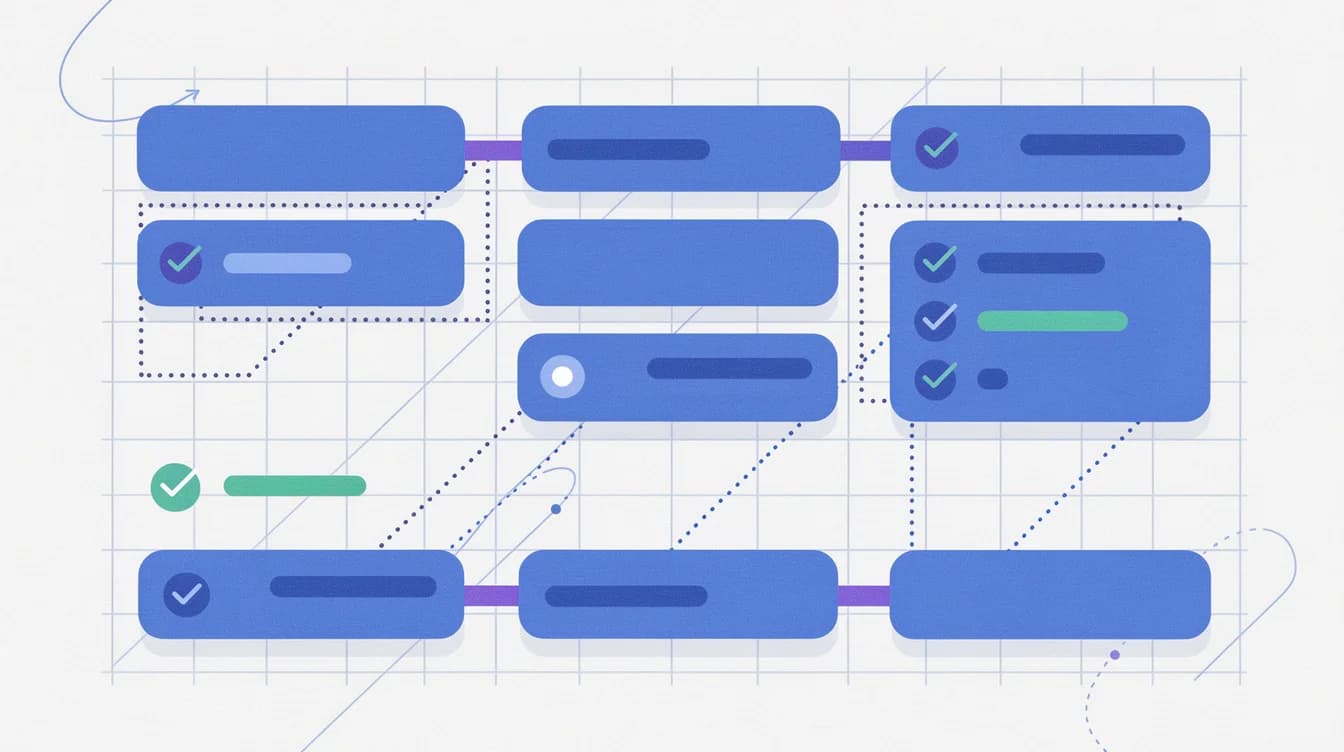
Use Draft's customizable kanban pipeline to mirror the stages in your recruitment plan. Map each phase from sourcing to offer directly onto your board so progress is visible in real time.
Sourcing Channel Tracking
Draft's analytics dashboard shows which sourcing channels deliver the best candidates. Feed this data back into your recruitment plan to double down on what works and cut what doesn't.
Role-Specific Questionnaires
Attach screening questionnaires to each job in your plan. Draft lets you create custom question sets that automatically score applicants against the criteria defined in your recruitment strategy.
Timeline & Milestone Visibility
Track time-to-fill and stage duration for every role. Draft's reporting surfaces bottlenecks so you can adjust your plan before deadlines slip.
Team Alignment & Accountability
Assign hiring managers and interviewers to roles within Draft. Everyone sees their responsibilities, pending reviews, and upcoming interviews in one place.
What Goes Into a Recruitment Plan
A strong recruitment plan starts with a clear picture of what you need to hire and why. Document headcount goals, role priorities, budget constraints, and the timeline for each position. Include the sourcing channels you intend to use, whether that is job boards, referrals, agencies, or your own career page, and assign ownership so nothing falls through the cracks.
The plan should also define your evaluation criteria upfront. Decide which skills, competencies, and cultural attributes matter for each role, then translate them into structured screening steps. When you use a tool like Draft, these criteria flow directly into questionnaires and scorecard templates that keep every interviewer aligned on what good looks like.
Turning Your Plan Into Action with Draft
A recruitment plan is only useful if it connects to your daily workflow. In Draft, create a job for each planned role and configure your pipeline stages to match the plan's milestones. As candidates enter the funnel, the kanban board gives you a live view of progress against your targets, no status meetings required.
Use Draft's analytics to run weekly check-ins against your plan. Compare actual time-to-fill with your targets, review source effectiveness, and adjust your strategy in real time. The combination of a written plan and a system that enforces it is what separates teams that hit their hiring goals from those that are always playing catch-up.
Common Recruitment Plan Mistakes to Avoid
The most common mistake is building a plan and never revisiting it. Hiring markets shift, priorities change, and roles get added or removed. Schedule monthly reviews of your recruitment plan and update it based on real pipeline data from Draft's reporting dashboard.
Another pitfall is planning in isolation. Recruitment plans work best when hiring managers, finance, and leadership all contribute to headcount priorities and timelines. Draft's team collaboration features make it easy to share pipeline visibility with stakeholders so everyone stays informed and accountable.
Frequently asked questions
A recruitment plan should cover headcount targets, role priorities, timelines, sourcing channels, budget, evaluation criteria, and assigned responsibilities. It serves as the single reference document that aligns your hiring team on goals and process.
Review your plan at least monthly. Use pipeline analytics from your ATS to compare actual performance against targets, then adjust sourcing strategies, timelines, or priorities based on what the data shows.
Yes. Draft's kanban pipeline, analytics dashboard, and team assignment features let you operationalize every element of your recruitment plan. You can track progress by role, monitor sourcing channel effectiveness, and keep your team accountable in one platform.
A recruitment plan focuses on the tactical execution of hiring, covering sourcing channels, screening processes, and timelines. A hiring plan is broader, encompassing headcount forecasting, budget allocation, and workforce planning at the organizational level.
Key metrics include time-to-fill, cost-per-hire, source quality, offer acceptance rate, and candidate satisfaction. Draft's analytics dashboard tracks these automatically so you can evaluate plan effectiveness without manual reporting.
Related resources
Hiring Plan Template
Build a comprehensive hiring plan with budget and headcount forecasting.
Read moreAnalytics Dashboard
Track recruitment metrics and pipeline performance in real time.
Read moreKanban Pipeline
Visualize your hiring process with drag-and-drop pipeline management.
Read moreATS Software
See how Draft's ATS brings your recruitment plan to life.
Read moreTurn Your Recruitment Plan Into Results
Draft's visual pipeline, analytics, and team collaboration tools make it easy to execute your recruitment plan and hit your hiring targets every quarter.
Get started freeNo credit card required